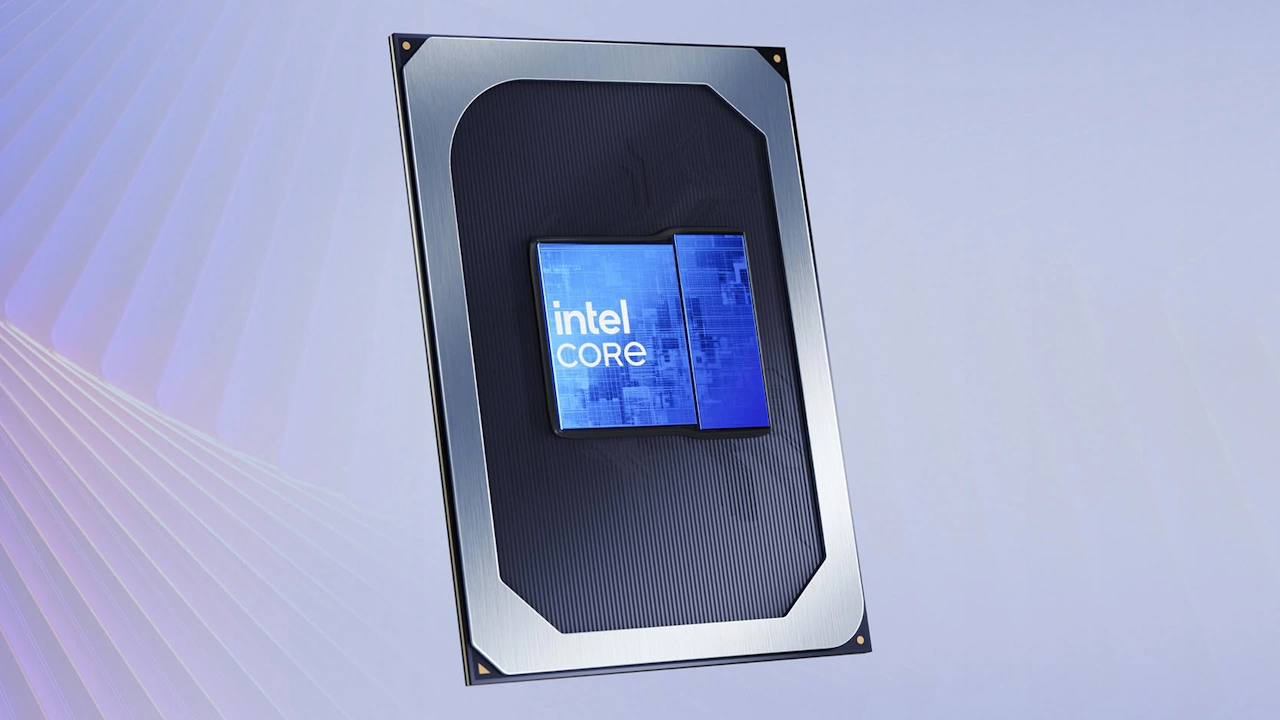
Intel is preparing a major generational leap in its ultra-low-power processor lineup with the leak of its new Moon Lake and Wildcat Lake Refresh platforms.
Designed using the advanced 18-angstrom manufacturing process (Intel 18A) and packaged in the BGA1516 socket, these chips are set to become the spiritual successors to the popular Alder Lake-N and Twin Lake processors, including the well-known Intel N100 and N150. The architecture stands out for offering a low base power consumption of just 6 W, which will enable the development of fanless passive mini PCs, home NAS servers, and entry-level laptops with an ultra-quiet thermal design.
Intel Moon Lake and Wildcat Lake Refresh
The major innovation of the Moon Lake SoC (identified by the acronym MNL) lies in completely eliminating high-performance cores (P-cores) to integrate a pure configuration of up to 4 “Darkmont” LPE (Low-Power Efficiency) cores. This architecture is complemented by the inclusion of Xe3 graphics cores, offering multimedia acceleration and the ability to manage multiple display outputs, while keeping the TDP at minimal levels.
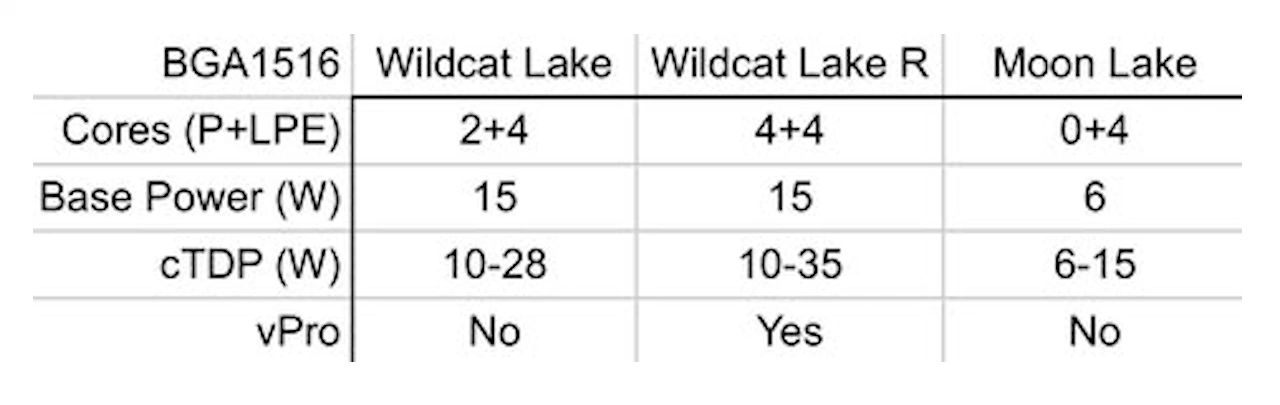
Meanwhile, for the business and light productivity segment, the Wildcat Lake Refresh revision will raise the bar by increasing the configuration to 4 “Cougar Cove” P-cores and 4 “Darkmont” LPE cores, while also adding native support for Intel vPro remote management technology.
With the move to 18A lithography, Intel aims not only to drastically reduce power consumption in idle and sustained load states but also to improve graphics performance and thermal efficiency in low-cost devices.
Although the company has not yet officially announced the exact release dates or the final naming scheme for the consumer market, this new family will serve as the cornerstone for the next generation of compact computers, embedded devices, and low-power home infrastructure.